Published at:
Self-love, GAMER edition: Why playing games is the best gift you can give yourself
Self-love doesn’t have to mean candles, affirmations or doing something productive. Sometimes it’s much simpler: doing something you actually enjoy, without pressure and without explaining it to anyone.
For a lot of players, games work as a reset button. You sit down, load a save and for a while, the rest of the day stops asking questions. Just a system, a world and your own pace.
These games are especially good at that:
Games as a reset, not a challenge
Not every gaming session needs to be intense or competitive. Some of the most popular single-player and indie games are built around calm loops, slow progress, and the kind of focus that helps you switch off.

That’s where titles like Cairn stand out.
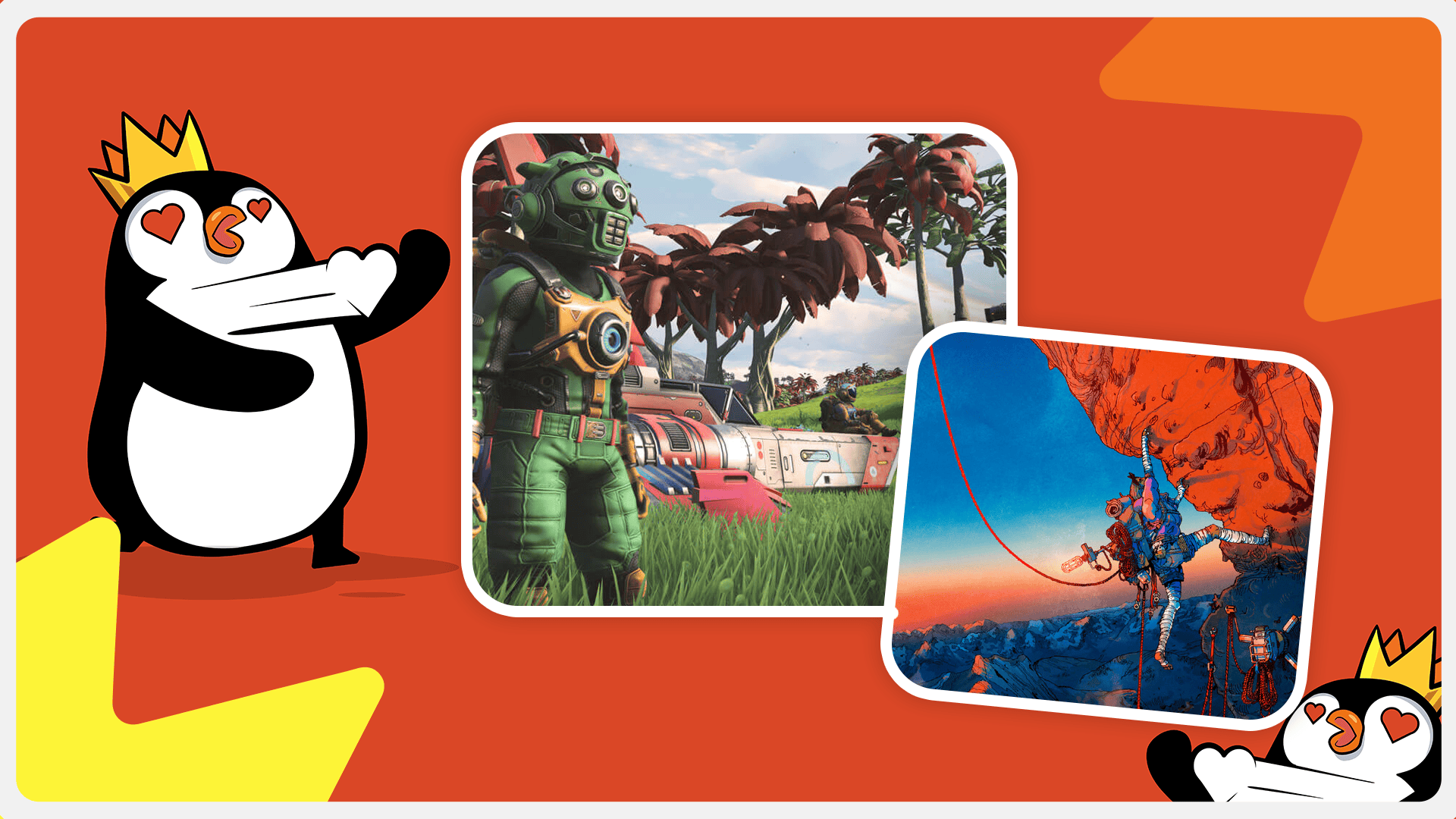
Cairn is a quiet climbing game that puts movement and decision-making at the centre of the experience. There’s no rush and no score chasing. Community feedback often highlights how the game feels almost meditative - every move matters, but nothing is yelling at you to hurry up.
It’s the kind of game you play when you want to clear your head, not fill it.
One of the underrated parts of single-player gaming is how little it asks from you socially. No need to react, reply, talk or perform.

Strategy games like Sid Meier’s Civilization VII and Europa Universalis V are great examples of this. Both series are known for long sessions where hours pass without you noticing. You’re making decisions, planning ahead, adjusting strategies but always on your own terms.
Players often describe these games as dangerous for your sleep schedule and that’s usually meant as a compliment. They’re absorbing without being stressful, complex without being loud.
Dopamine hits without dating stress
Games are very good at giving small rewards often. Finish a task. Unlock something new. Improve a system. It’s satisfying in a very direct way and there’s no awkward follow-up.
Terraria is a classic example. It looks simple, but the loop of exploring, crafting, upgrading and discovering new things is extremely effective. Many players say it’s one of those games they always come back to, especially when they want something familiar but rewarding.

No Man’s Sky works in a similar way, but on a much bigger scale. Over the years, the game has grown into a huge sandbox focused on exploration and calm progression. Flying to a new planet, building a base, or just scanning wildlife gives that steady flow of small wins, without pressure.
Chilling but never boring
Chill games don’t have to be tiny or shallow. Often, they’re just games that respect your time.
Anno 117: Pax Romana continues the Anno tradition of deep city-building mixed with thoughtful pacing. Planning production chains, watching cities grow and slowly improving systems can be incredibly satisfying, especially when played solo.
Minecraft remains one of the best examples of self-directed play. Whether you’re building something ambitious or just digging and crafting, the game adapts to your mood. There’s no right way to play it - which is exactly why so many players use it as a way to relax.

Even games like Hytale, which many players are still waiting for, generate excitement mainly because of that promise: creativity, exploration and freedom without pressure.
Doing something just for yourself
Playing games as self-love isn’t about escaping everything. It’s about choosing how you spend your time.
Single-player, indie and cozy games give you space. They don’t rush you, judge you, or expect anything back. You log in, you play, you log out - feeling a little more relaxed than before.

And if Valentine’s Day feels like a good moment to treat yourself to something new, Kinguin’s Love to Play promo is a good place to browse. No awkward plans, just games that are happy to keep you company.
We've got our finger on the pulse