

Welcome home, player!
By clicking Continue with Google or Facebook, you agree to Kinguin's Terms & Conditions and Privacy Policy, also to NFT Terms & Conditions and NFT Privacy Policy.

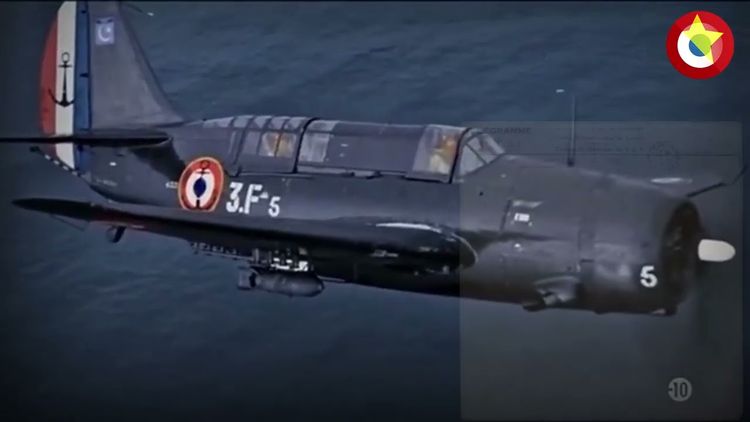


SGS Battle For: Dien Bien Phu PC Steam CD Key
SGS Battle For Dien Bien Phu is the fourth game of the now well-established SGS Battle Series, covering intense fights and battles in well know (or not) small but fighting-heavy locations ; ‘grand’ tactical’ scale for regiment, battalion, company and even platoon-size units (depending on the games) and game turns which represent a very short real period of time (one or two days, half a day, a few hours…).
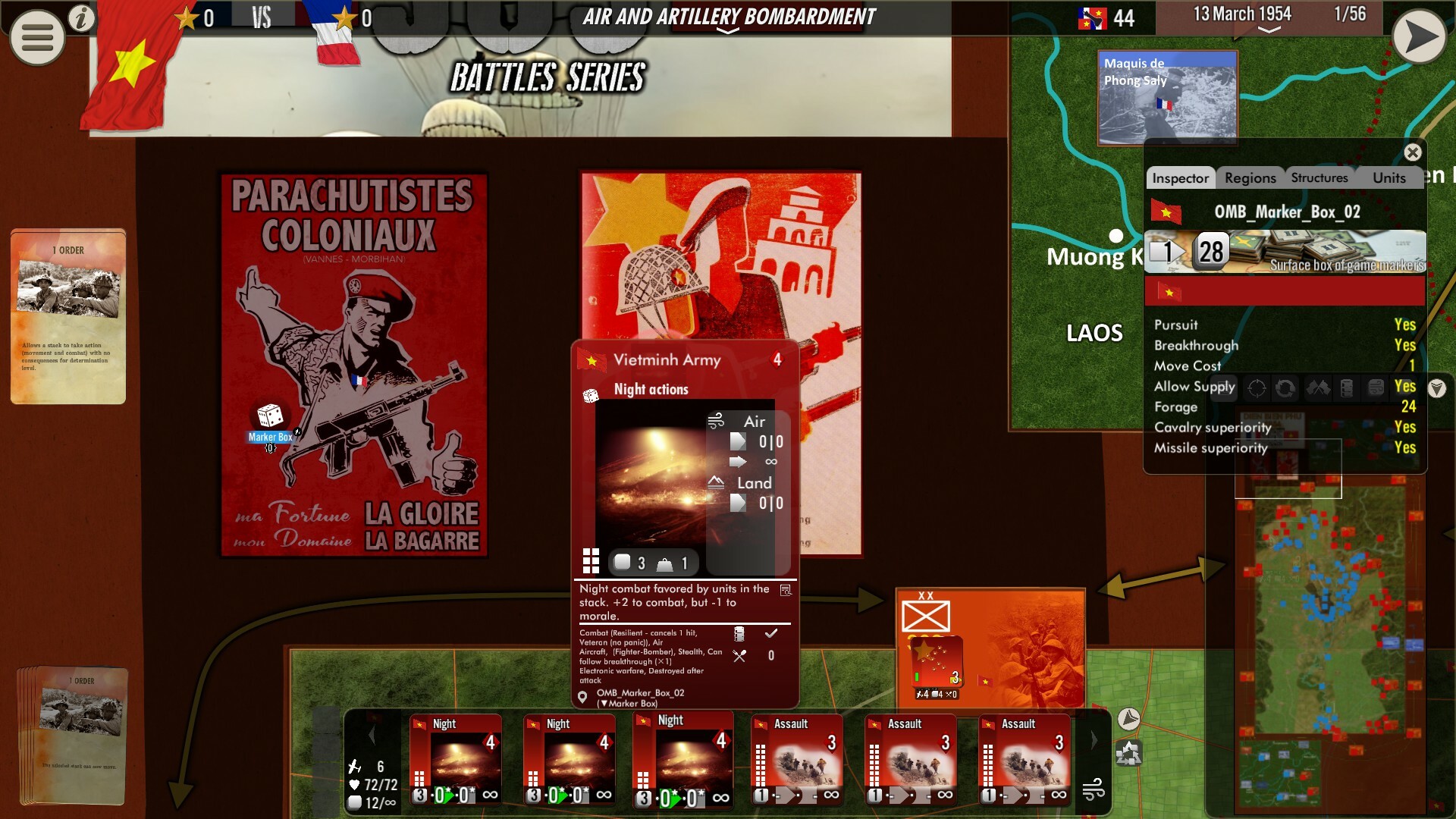 One of the many particularities of the Battle series compared to other SGS relates to a unit activation system which means that not all units will necessarily be able to move and fight in a turn. This will only be possible for them if they have been activated. And depending on the battles or the episodes during them, the activation limits will be more or less important.
Dien Bien Phu is a very remarkable battle on many aspects, and not only because it ended the Indochina War (1946-1954). It was also the first clear victory of the revolutionaries in the post-WW2 conflicts over decolonization. You can play both side, French or Vietminh (the Communist Vietnamese liberation movement) ; against another player in PBEM, or against the AI.
SGS Battle For Dien Bien Phu covers the complete period of the battle, from March till May of 1954 (the battle as a whole extends from March 13, 1954 May 7, 1954). That is to say that some of the initial operations are covered, not only the actual siege itself.
When the game ends, there must be a victor. Either the besieged French CEFEO (Corps Expeditionnaire Français d’Extreme-Orient) troops have withstood the onslaught and still hold on the camp, having bloodied their opponent’s main battle force, and it that case the negotiating position of France at the Geneva Peace Conference will be stronger. Or the Vietminh (VM) forces, as historically, seize the whole fortified area and capture the surviving enemy, inflicting a terrible blow to their foe and achieving the decisive position at the conference (the historical revolt), leading to Vietnam independence under their terms.
The game will contain a grand campaign scenario covering the battle from March until Mayr, as well as other (intermediate or shorter - see below) scenarios based on different starting days or limited to specific areas (Gabrielle or Isabelle ‘Points d’Appuis’, or even the off-map sectors of the Vietminh supply networks, where a guerrilla war of its own may occur)
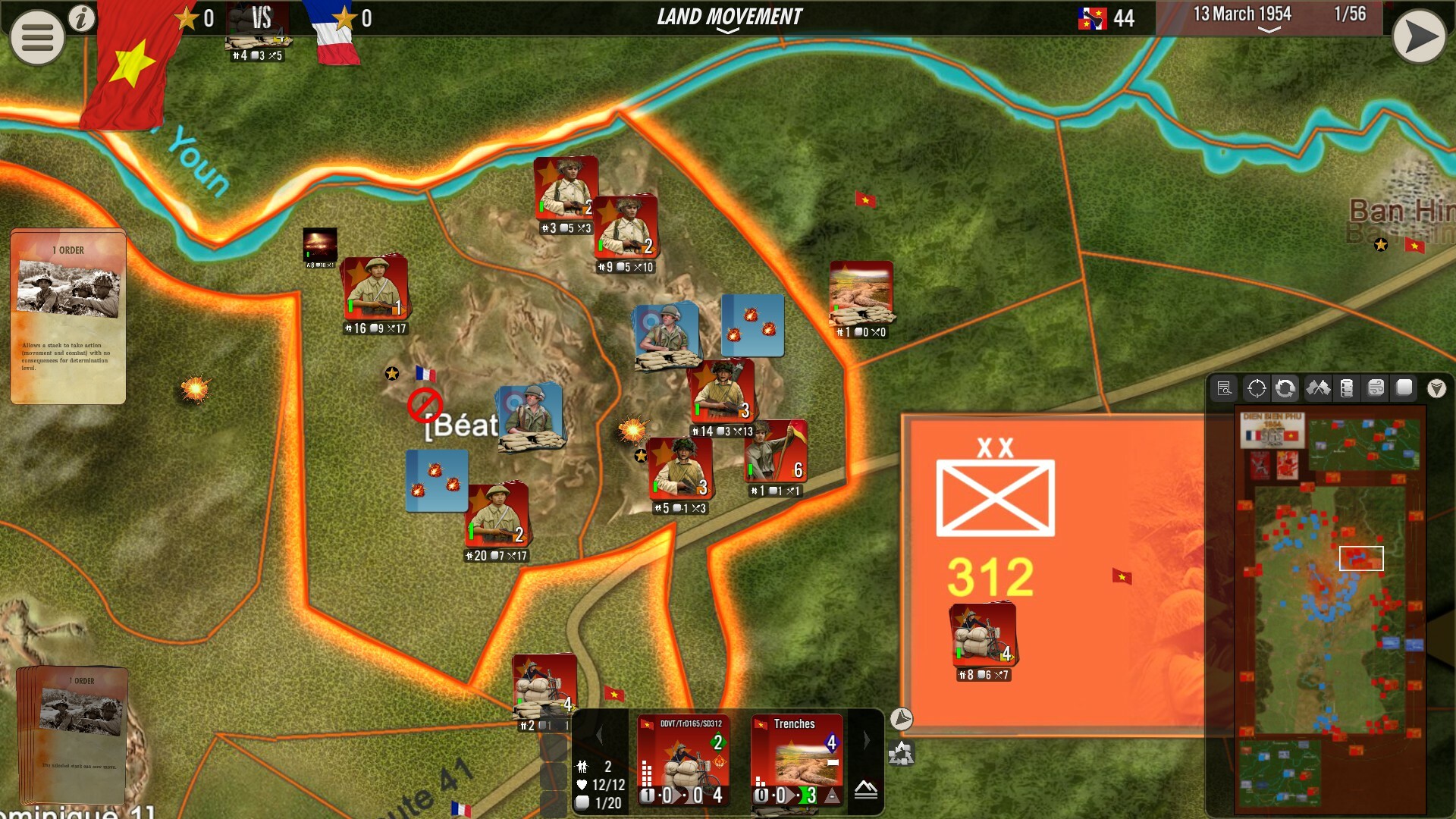
Most events generate even more immersion, sticking to a historical reality. All are carefully designed, with extensive historical research, to go beyond the game, to bring its playful dimension closer to what could be a highly interactive history book.
- Gabrielle : un court scénario sur la première attaque de ce point d'appui français à l'extrémité nord de la zone fortifiée. Très court (5 tours), avec peu d'unités, parfait pour apprendre les mécanismes spécifiques à ce SGS.
- The Battle of the Five Hills: from March 30 to April 7, one day per round, a battle taking place around Dominique 3 and Eliane 2. A 6-turn intermediate scenario.
- Dien Bien Phu Alternative Campaign: the entire battle from March to May 1954. This campaign allows you to choose options at the start of the game (a stronger French garrison, Viet Minh regiments not deployed at Dien Bien Phu, etc.), as well as the possibility of launching Operation Vautour (the option exists, but the delay between the moment the option is chosen and its completion means that the operation may not take place). A 56-turn scenario.
- Dien Bien Phu Great Historical Campaign : the entire battle from March to May 1954. All major events are strictly historical (with some latitude on dates, for re-playability) and very few 'what-if' options. Operation Desperado (engagement of anti-Viet-Minh maquis, such as the "Cardamone" maquis) to relieve Dien Bien Phu from enemy pressure, and Operation Condor (with the Godard relief column), which historically began before the fall of the entrenched camp, occur in this campaign as in the alternative campaign. A 56-turn scenario.