


By clicking Continue with Google or Facebook, you agree to Kinguin's Terms & Conditions and Privacy Policy, also to NFT Terms & Conditions and NFT Privacy Policy.
Pacific D-Day
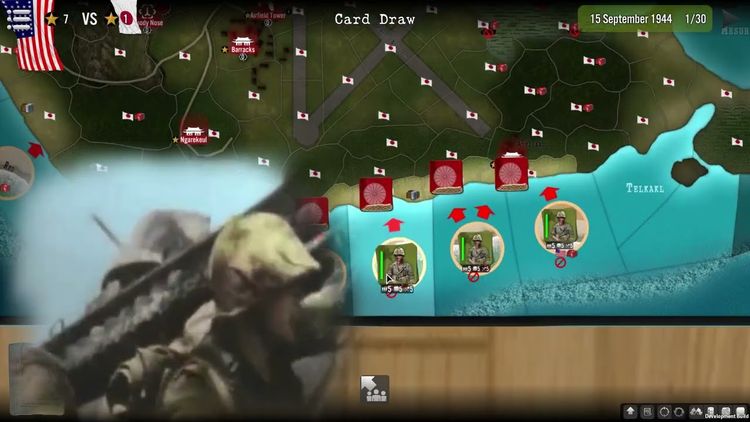
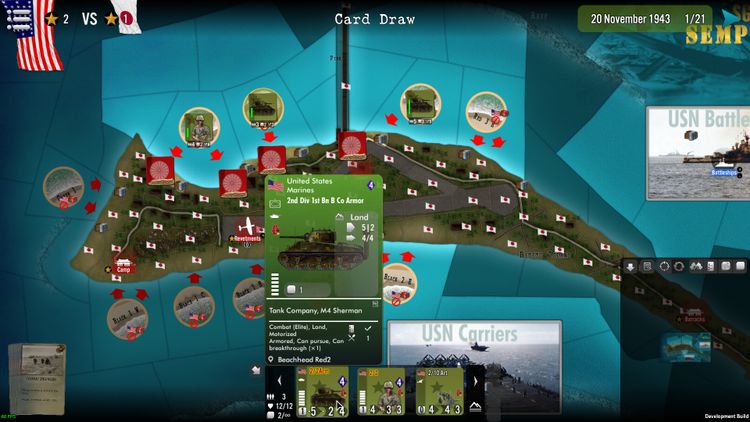
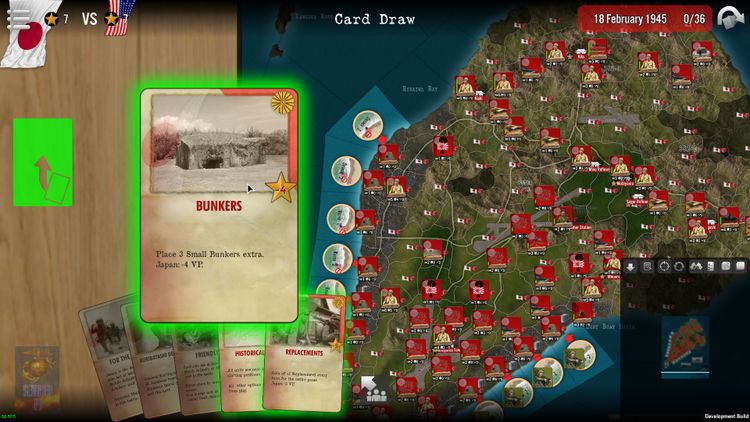
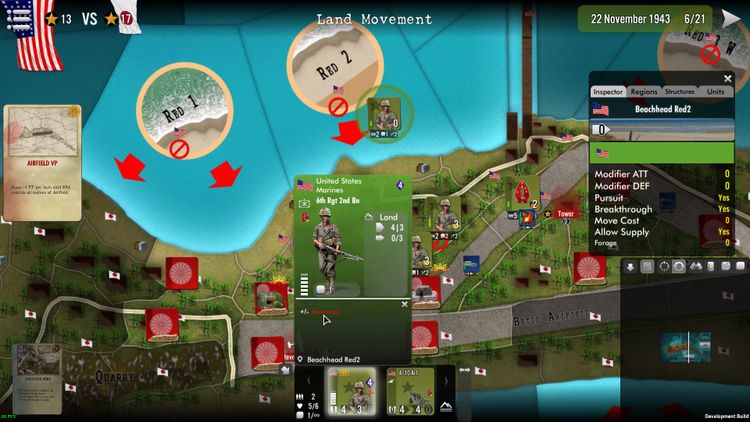
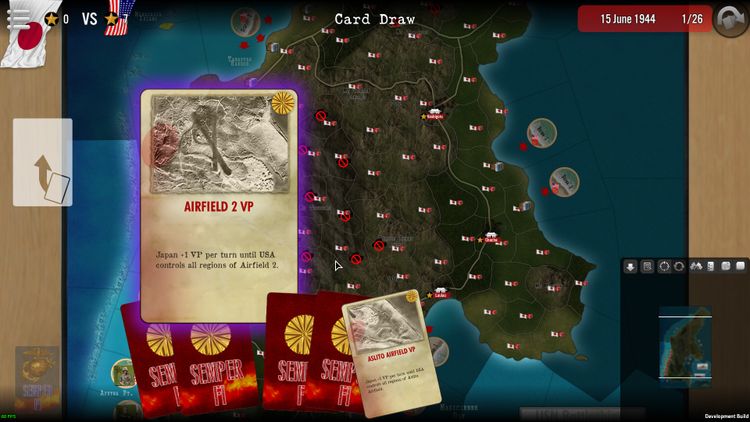
It is a most common knowledge that the battles conducted by the Americans in the Pacific islands against the Japanese during World Ward II had been extremely tough and savage. This operational strategy game purpose is to let players discover five of the most emblematic ones, in a period going from end 1943 to early 1945. Both sides are playable, and you have at your disposal different units, from mobile infantry, tanks and planes to static defenses like bunkers, trenches, tunnels and mines. Your careful play and balance of units mix, plus clever usage of cards (which you receive every turn to assist your strategy) allow you to reach the victory goals: either capture the island without too many losses (on the US side) or hold it till the end while inflicting large casualties to the attacker (when playing Japanese).
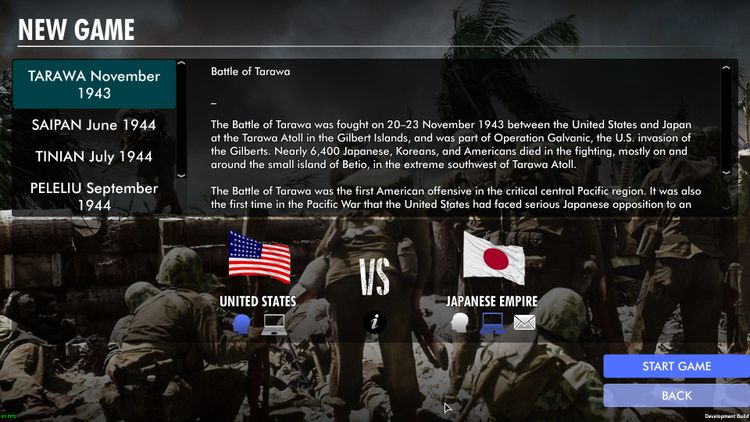
In this game you will fight 5 of the fiercest battles of the United States Marines Corps during the Pacific War between 1943 and 1945. Each of the following key American operations is recreated in this challenging game, allowing you to play both sides:
In all those battles, the death toll was incredible and the fighting extremely tense, till the end.
Can you do better than history and, as the American commander, take your key objectives in the fastest of time and with minimum loss of men? Or, as the Imperial Japanese commander, can you fight those doomed battles at a cost that will be intolerable for the enemy?
These battles are handled at Battalion or Company scale on both sides (Battalion unit size units for Saipan, Tinian, and Tarawa and Company size for Iwo Jima and Peleliu). The air units are usually equivalent to the usual CV air component (two units for CVs, one for CVLs). Fixed units such as bunkers, trenches, or mines represent a few assets or buildings.
Scenarios vary in length, for 20 to 40 turns, each representing usually between 6 hours (only in the Tarawa scenario) and a day (for all other scenarios). The game will offer you various starting options (more troops, more replacements, more air support, different at-start positions) that may alter the historical setup and offer vast replayability potential. Each scenario tells a different story pertaining to the historical battle it covers, but in general, players will get the following common points among all scenarios:
To be clear, as in history, the final outcome of each battle is inevitable: US forces will eventually clear each island of Japanese forces. But at what price? This is the challenge faced by the player, to make those D-Days much less bloody than they were historical.